

Community care

Central to that effort are the Taylor Street Primary Care Clinic and the PHOENIX program. They represent the breadth of Wayne State’s approach to public health and engage communities through embedded, informed and equitable care.
Embedded, the neighborhood clinic
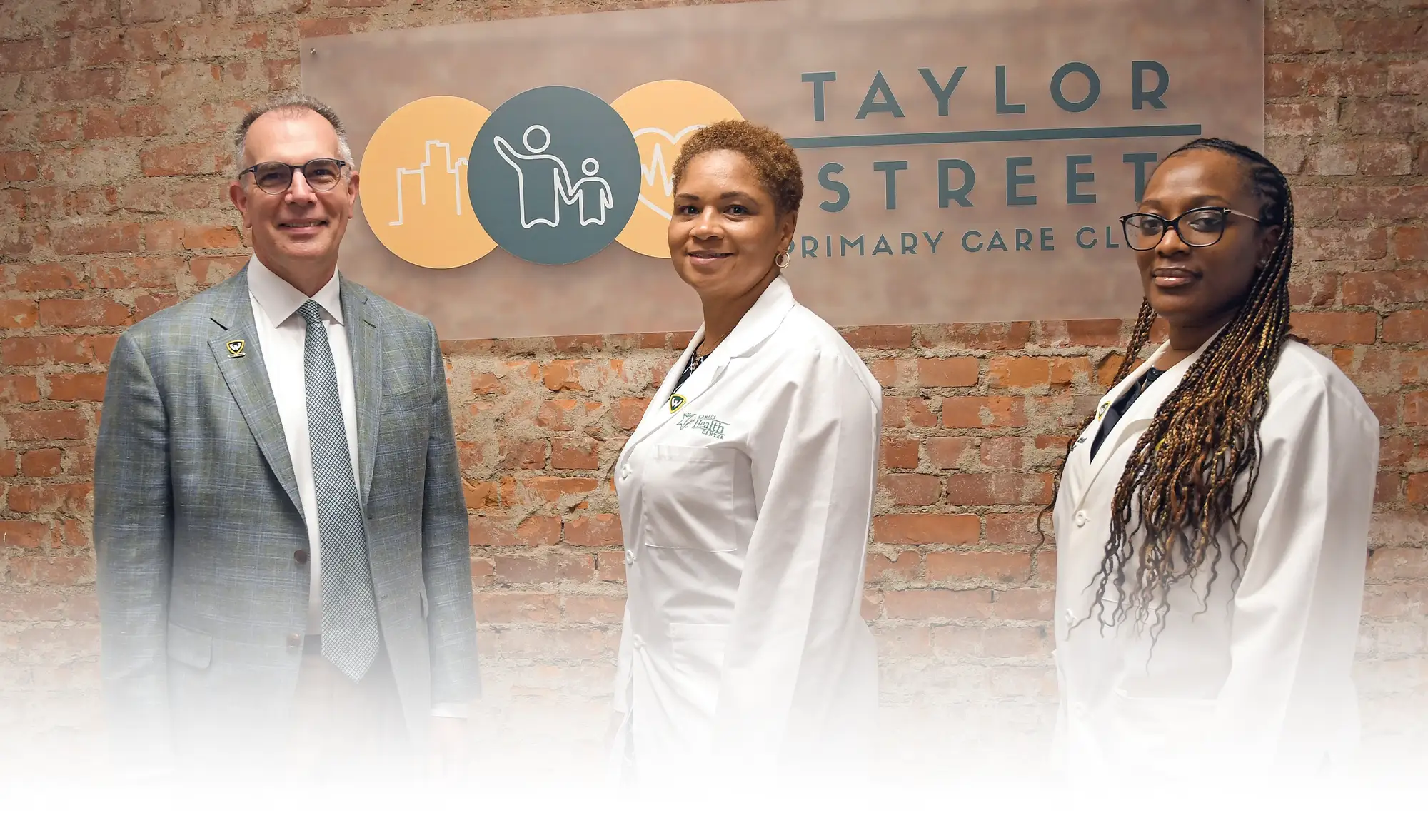
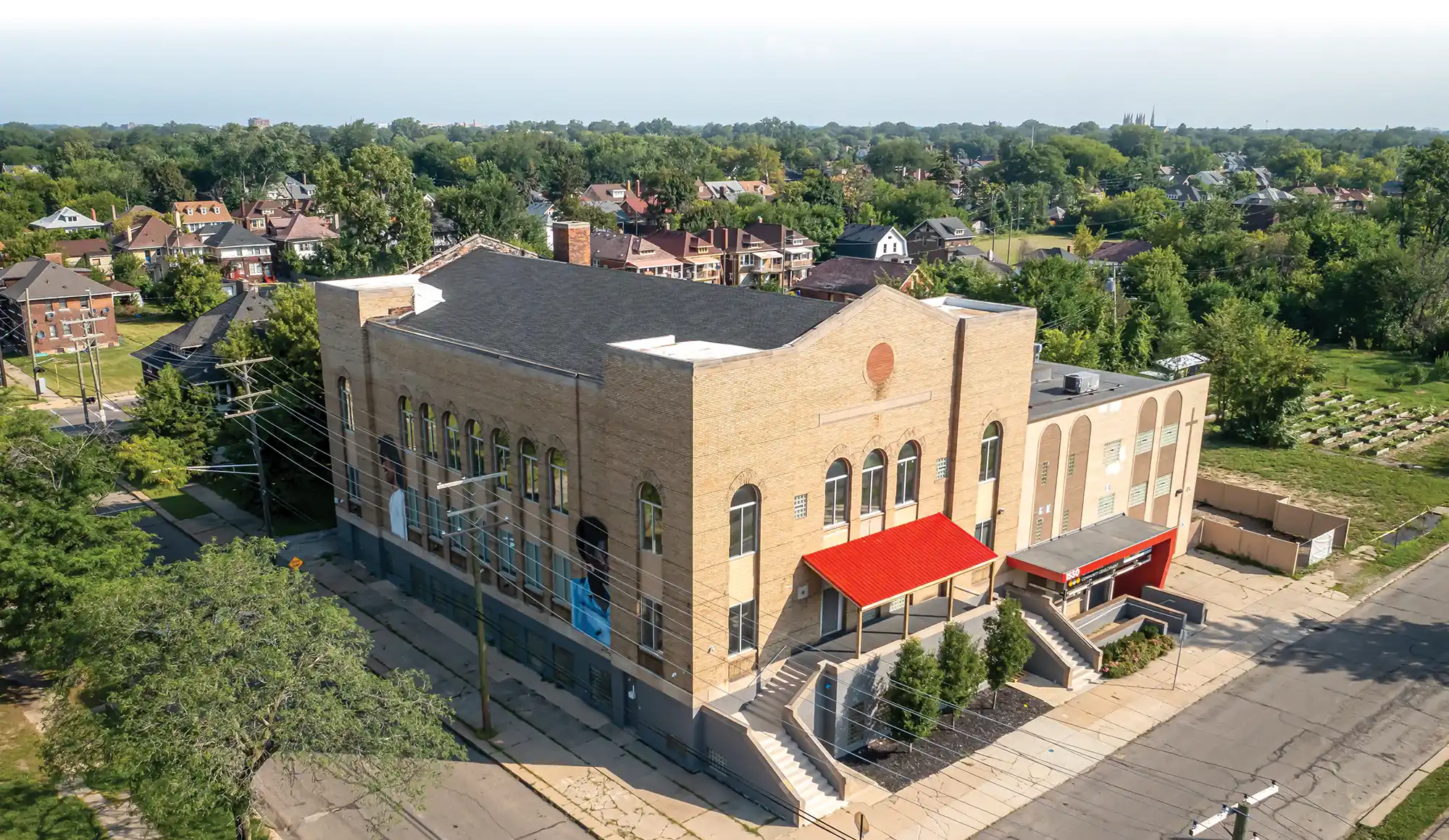
The Taylor Street Primary Care Clinic — a nurse-managed clinic operated by Nursing Practice Corporation, the faculty practice of the College of Nursing — provides accessible primary care in Detroit’s Virginia Park neighborhood. Opened in 2020, it has become a trusted health resource for a community composed largely of Medicaid recipients and other underserved populations.
Community care
Wayne State University is transforming health in Michigan communities. From personal service in neighborhood clinics to data-driven insights that guide regional response, the institution links hands-on care with groundbreaking research.
Central to that effort are the Taylor Street Primary Care Clinic and the PHOENIX program. They represent the breadth of Wayne State’s approach to public health and engage communities through embedded, informed and equitable care.
Embedded, the neighborhood clinic
The Taylor Street Primary Care Clinic — a nurse-managed clinic operated by Nursing Practice Corporation, the faculty practice of the College of Nursing — provides accessible primary care in Detroit’s Virginia Park neighborhood. Opened in 2020, it has become a trusted health resource for a community composed largely of Medicaid recipients and other underserved populations.
“It makes us more relatable that we are here with them,” said Dr. Melanie Woods, chief nursing officer of the Taylor Street Clinic. “Patients can walk to us — which is important, because there are transportation issues. We can relate to what’s going on in the neighborhood because we’re here, too. We know their name, and they know ours.”
The clinic operates with a small but dedicated team: a full-time nurse practitioner, medical assistant and front office coordinator. Services range from routine exams and vaccinations to chronic disease management and health education. Appointments often evolve into broader conversations around food insecurity, mental health, caregiving stress and other barriers to wellness.
“We see the patient holistically,” said Woods. “What’s affecting their outcomes? What’s going on at home or in relationships? How can we help them navigate those realities so they can achieve optimal health?”
One ongoing focus area involves reducing colorectal cancer screening disparities. A recent grant supports motivational interviewing provided by staff, empowering patients to move beyond directives and instead engage in meaningful, empathetic conversations that help patients overcome barriers to preventive care and important screenings.
“Instead of saying, ‘You have to do this, you need to do this,’ we talk it through during each visit,” Woods explained. “We listen and then reflect back what we’ve heard: ‘What I hear you saying is…’ That helps build trust and opens the door to change.”
Building trust, training talent
Taylor Street currently serves approximately 100 patients each month but has capacity for more. To promote services and deepen ties with the community, it invests heavily in outreach. From block club parties and school events to wellness fairs and baby showers, the clinic is a visible and active neighborhood presence.
“We’re not waiting for patients to come to us,” said Woods. “We’re going out, being present and showing that we’re a part of the community.”
Partnerships extend to organizations like the Senior Regional Collaborative, where the clinic offers services to older adults and their caregivers — often addressing gaps in access, education and chronic condition management.
Students also play a central role. Through a grant-supported training model, doctor of nursing practice (DNP) students are immersed in real-world primary care practice — learning to assess, diagnose and treat patients with guidance from seasoned preceptors.
“We purposefully build their schedules with diverse patient experiences,” Woods said. “By the time they leave, they’re confident and capable, and ready to care for complex patients in real-world settings.”
Rebecca Oswald, who completed her DNP training in 2025, described the experience as transformative: “Everyone here cares deeply about the community. That’s why all three of us chose Wayne State — for its commitment to urban public health.”
She added, “What I’ve learned most is how to really listen — asking the right questions, understanding what patients need and meeting them where they are.”
Looking ahead
The clinic continues to evolve to meet the needs of its patients — including planned installations of an accessible exam table and wheelchair scale to ensure dignity and ease of care for all. A collaborating physician supports the nurse practitioner team by reviewing cases and offering consultative guidance, further strengthening the clinic’s capacity to manage complex conditions.
“Taylor Street’s experienced staff do more than treat illnesses or write prescriptions — they care for people, their families and their communities,” said Dr. Bernard J. Costello, Wayne State’s senior vice president for health affairs. “The clinic addresses critical gaps in care while giving students invaluable hands-on training. Here, we are teaching what it truly means to heal.”
Ultimately, the goal is to be a long-term health partner to every patient. The team educates individuals on the value of consistent care, provides tools to manage and prevent chronic illness, and works to ensure that everyone — regardless of insurance status or socioeconomic background — feels welcome and supported.
“The Taylor Street Primary Care Clinic is a powerful example of Wayne State’s commitment to advancing health equity through service, education and community partnership,” said Dr. Ramona Benkert, dean of the College of Nursing. “By embedding care directly into the neighborhoods we serve, we’re not only addressing immediate health needs — we’re building trust, training future nurse leaders, and creating long-term pathways to better outcomes for Detroit and other urban communities.”
1,326
116
206
99
- Hypertension
- STI screening
- Well child exams
- Well child visits
- Immunizations
- Acute illness and injury care
- Chronic illness management
- Pediatric and adolescent care
- Women’s and men’s health
- Mental health care
- Preventive screenings

PHOENIX — mapping change
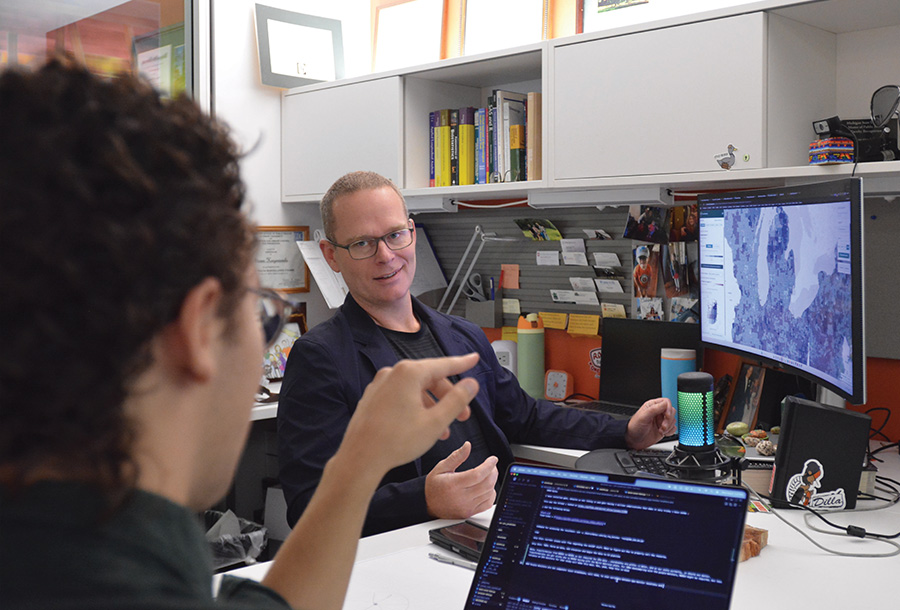
While Taylor Street provides clinical care at the neighborhood level, the PHOENIX program helps scale health insight statewide. PHOENIX (Population Health Outcomes Information Exchange) involves a virtual data warehouse and the Prevalence Profiler interactive visualization platform, which aggregates hundreds of sources — from health metrics to housing data — to reveal patterns in public health.
“A picture is worth a thousand words,” said Dr. Steven Korzeniewski, associate professor of emergency medicine and principal investigator for the program. “PHOENIX is designed to facilitate needs assessment and guide service delivery to get a handle on what drives the rates that we see. It’s also meant to help people begin to ask questions and identify and mitigate the driving issues.”
Initially created to track blood pressure across neighborhoods and using data provided by the Detroit Medical Center, PHOENIX was a response to stark health disparities in Detroit.
PHOENIX was later used during the COVID-19 pandemic to coordinate targeted testing and vaccine outreach. Partnering with Ford Motor Company and the Michigan Department of Health and Human Services, Wayne State implemented the state’s first mobile health unit program and continues to lead ongoing collaborative efforts.
“We saw the value in joining forces with other mobile programs and worked together to target areas to focus on with a common goal of boosting vaccination rates. We collected data on vaccination numbers from partner programs so that we could show that we actually impacted the percentage of eligible patients who were vaccinated over time,” Levy said.
Tools for action
Now containing hundreds of metrics from more than 70 databases, PHOENIX supports public health planning, clinic placement and population monitoring. It even allows users to upload their own datasets — no coding required.
With active collaborations in Dearborn and exploratory conversations underway with Google to expand to other regions, PHOENIX is poised for national impact. That momentum is amplified by Wayne State’s recent partnership with Google Public Sector, announced in June 2025, which provides researchers with powerful cloud computing tools, machine learning capabilities and advanced data analytics. This collaboration accelerates the university’s ability to analyze large-scale public health data; empowers interdisciplinary teams to generate faster, more actionable insights; and ensures that students are trained in cutting-edge technologies that drive real-world impact. “We want to serve research investigators, community programs and public community members. We’re trying to get information into the hands of anybody who might use it to try to make the world a better place in simplest terms possible,” Korzeniewski said.
A shared mission
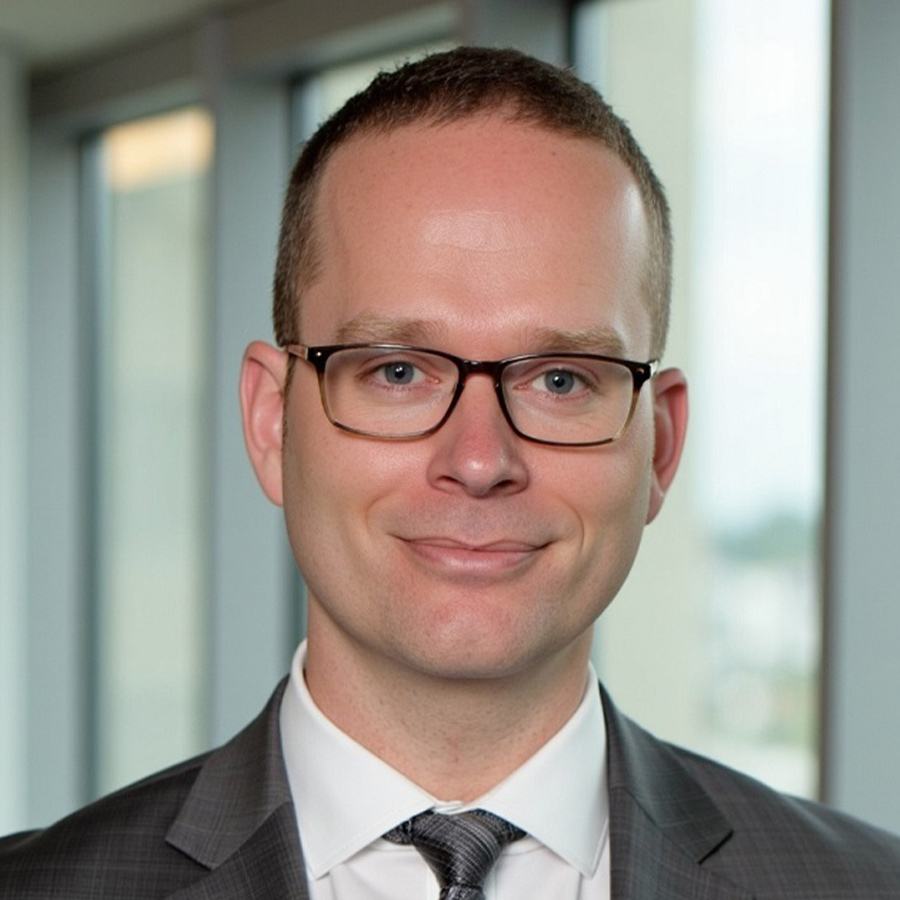
Korzeniewski and Levy agree that Wayne State is uniquely suited to power a platform like PHOENIX.
“Nobody else is talking or thinking this way,” said Levy. “The innovative concepts that serve as the basis of PHOENIX are what an academic environment like Wayne State fosters. Our overarching vision is to help the communities where we work and live, and we want others to look to learn from us. That’s the basis of an educational institution.”
Taylor Street and PHOENIX demonstrate what’s possible when universities actively partner with academic health centers like the DMC and with the public health system to solve pressing problems. As Michigan’s only public urban research university, Wayne State has both a responsibility and an opportunity to reimagine health from the neighborhood level up using state-of-the-art population health methods. Whether through a community clinic or a statewide data platform, the university is building models that others can follow to empower health.
Warriors lead the way in community-based research and care
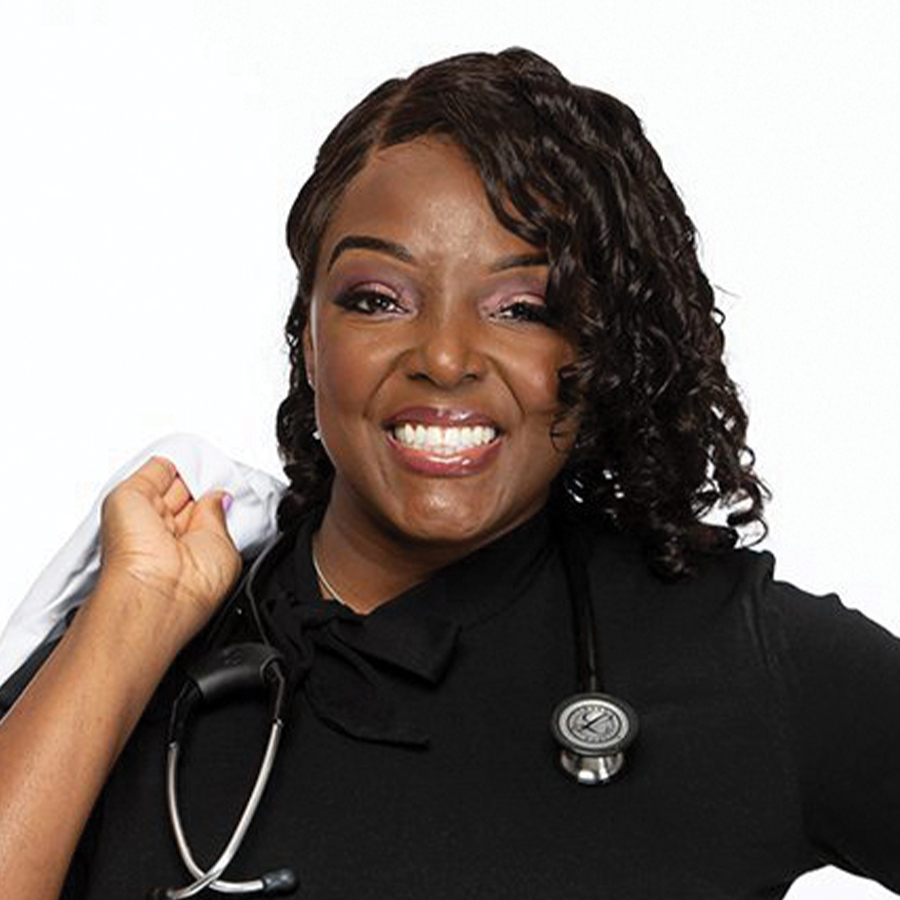

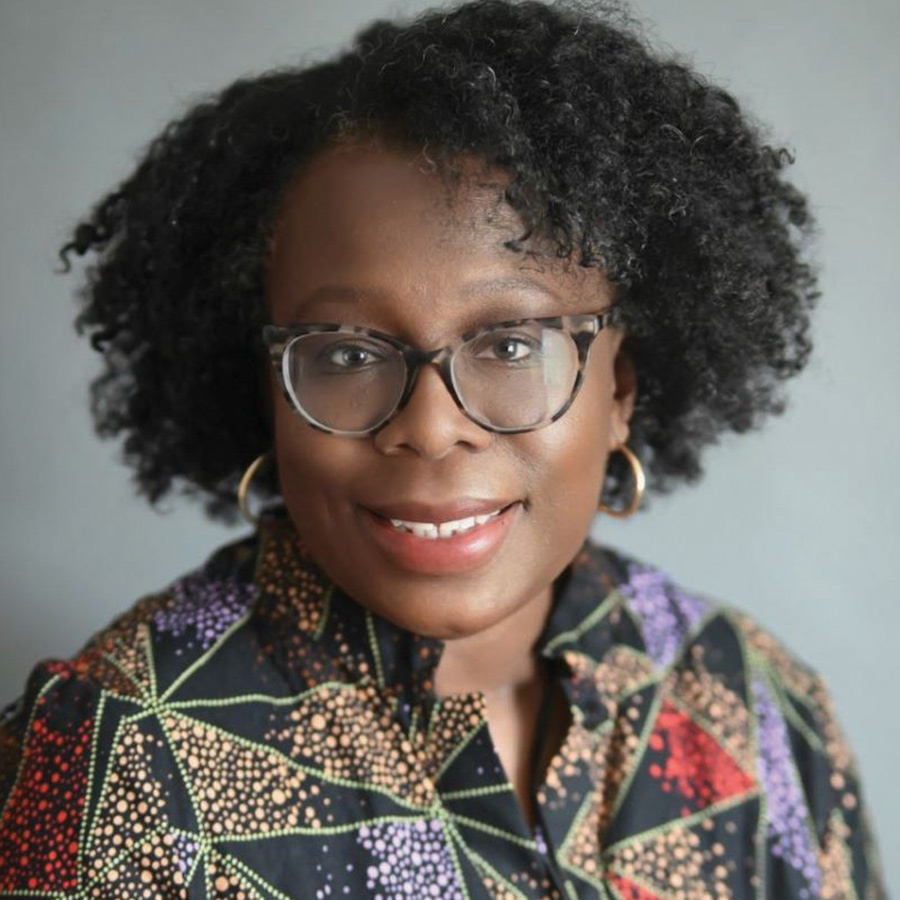

From Detroit neighborhoods to long-term care homes and local pharmacies, Wayne State’s health sciences faculty advance research that improves health care, addresses disparities and prepares the next generation of professionals to lead.
When nursing professor Dr. Cynthera McNeill received a five-year training grant to improve geriatric care, she launched a program that lives far beyond the classroom. The Applied Gerontology Research and Education to Eliminate Disparities (AGREED) initiative brings together faculty and students from the College of Nursing, the School of Medicine, and the Eugene Applebaum College of Pharmacy and Health Sciences (EACPHS) to improve care for older adults. In its first year, it trained nearly 90 community health workers, created a geriatric specialist certificate, and placed students in long-term care facilities and community clinics.
“This is not just research,” McNeill said. “These are applied techniques to improve the quality of life of the citizens living in this area. At Wayne State, it’s our responsibility to take these opportunities to have a hands-on, grassroots, boots-on-the-ground approach to impacting the lives of caregivers, patients, direct care staff and health care providers.”
The initiative is also improving care at facilities such as the Rosa Parks Geriatric Center and Hartford Nursing Home and providing resources to support informal caregivers.
Dr. Hayley Thompson leads the School of Medicine’s Center for Health Equity and Community Knowledge in Urban Populations (CHECK-UP). Through its Community Health Scholars Program, Thompson and her team have trained 34 local residents — from nurses to church administrators — to become research partners and community co-investigators.
“Programs like these are essential to the work if we want to advance community-engaged research in the health space,” Thompson said. “We wanted to give people tools, skills and language and familiarize them with key concepts so they feel comfortable talking to and partnering with researchers.”
At the Eugene Applebaum College of Pharmacy and Health Sciences, students drive their own interventions. A mental health screening initiative led by pharmacy student Shannon Habba began at a Meijer Pharmacy in Livonia and has since grown into a statewide collaboration with pharmacy schools at the University of Michigan and Ferris State University.
“The program was a big success,” said EACPHS associate professor Dr. Brittany Stewart. “Seventy people is a lot of people to get to sign up for mental health screening at one neighborhood pharmacy.”
From elder care to cancer education to mental health, Wayne State’s faculty and students are bringing research and care to communities that need it.
From Detroit neighborhoods to long-term care homes and local pharmacies, Wayne State’s health sciences faculty advance research that improves health care, addresses disparities and prepares the next generation of professionals to lead.
When nursing professor Dr. Cynthera McNeill received a five-year training grant to improve geriatric care, she launched a program that lives far beyond the classroom. The Applied Gerontology Research and Education to Eliminate Disparities (AGREED) initiative brings together faculty and students from the College of Nursing, the School of Medicine, and the Eugene Applebaum College of Pharmacy and Health Sciences (EACPHS) to improve care for older adults. In its first year, it trained nearly 90 community health workers, created a geriatric specialist certificate, and placed students in long-term care facilities and community clinics.
“This is not just research,” McNeill said. “These are applied techniques to improve the quality of life of the citizens living in this area. At Wayne State, it’s our responsibility to take these opportunities to have a hands-on, grassroots, boots-on-the-ground approach to impacting the lives of caregivers, patients, direct care staff and health care providers.”
The initiative is also improving care at facilities such as the Rosa Parks Geriatric Center and Hartford Nursing Home and providing resources to support informal caregivers.
Dr. Hayley Thompson leads the School of Medicine’s Center for Health Equity and Community Knowledge in Urban Populations (CHECK-UP). Through its Community Health Scholars Program, Thompson and her team have trained 34 local residents — from nurses to church administrators — to become research partners and community co-investigators.
“Programs like these are essential to the work if we want to advance community-engaged research in the health space,” Thompson said. “We wanted to give people tools, skills and language and familiarize them with key concepts so they feel comfortable talking to and partnering with researchers.”
At the Eugene Applebaum College of Pharmacy and Health Sciences, students drive their own interventions. A mental health screening initiative led by pharmacy student Shannon Habba began at a Meijer Pharmacy in Livonia and has since grown into a statewide collaboration with pharmacy schools at the University of Michigan and Ferris State University.
“The program was a big success,” said EACPHS associate professor Dr. Brittany Stewart. “Seventy people is a lot of people to get to sign up for mental health screening at one neighborhood pharmacy.”
From elder care to cancer education to mental health, Wayne State’s faculty and students are bringing research and care to communities that need it.